Check out the latest Red Line Newsletter!
September Newsletter

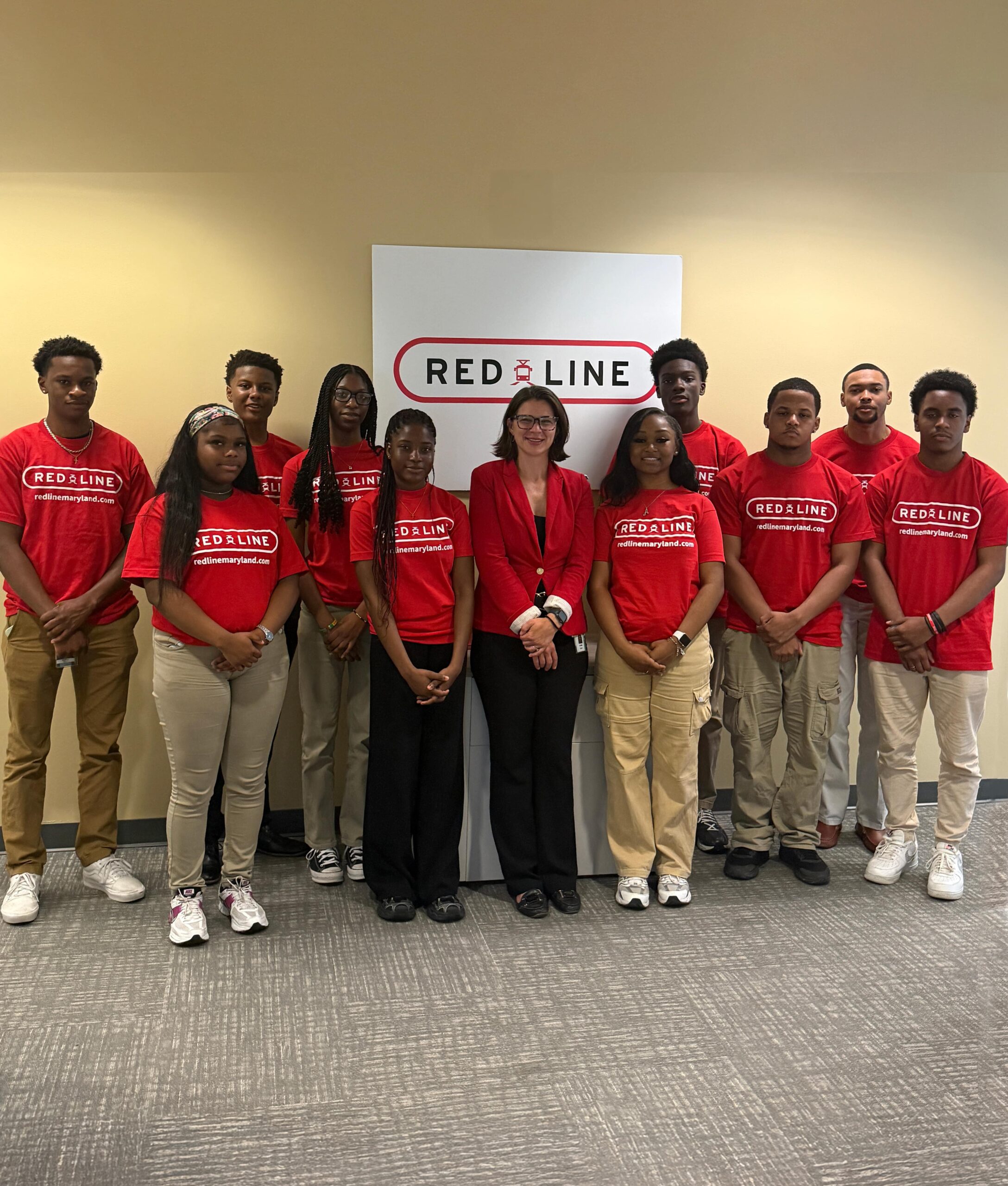
2025 Red Line Interns with Director
July 21, 2025

2025 Summer Intern Program

The Red Line High School Internship Program returned this summer with participation from Edmondson-Westside, Patterson, and Woodlawn High Schools. The internship program connects students who live and attend school within the proposed Red Line corridor with educational and career opportunities in transportation. It was created as a way to engage with Red Line community members and involve those who will ultimately benefit from the Red Line transit service.


Interns are learning about the Red Line project, its potential to improve transportation access across Baltimore, and how it will impact their communities. They are also exploring careers in transportation through field visits, hands-on activities, professional development workshops, and are working on a final capstone project that challenges them to analyze real-world transportation issues, develop solutions, and present their findings– enhancing their critical thinking, teamwork, and communication skills.


Two Red Line College Interns are supporting this year’s expanded program, Tony Graham II, and Bradley Brown. Both are Civil Engineering students at Morgan State University with strong academic backgrounds, real-world experience, and a shared commitment to sustainable infrastructure. Tony and Bradley are crucial in mentoring the high school interns and supporting day-to-day program coordination.


Meet the college interns!
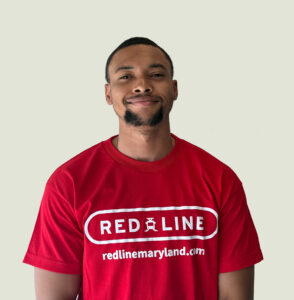
 

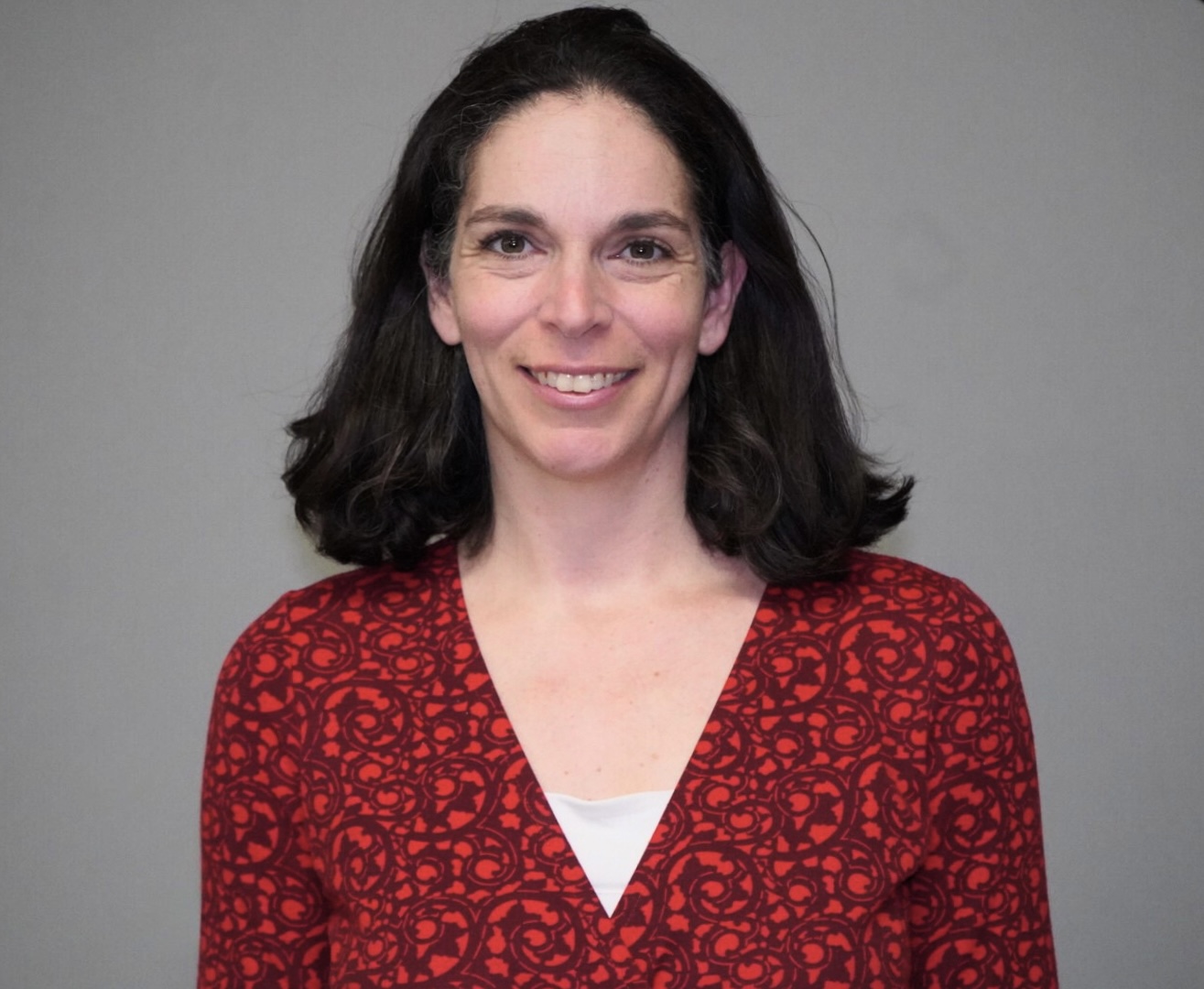
2025 Red Line College Intern Tony

Raised in a family of engineers, Tony developed a passion for resilient infrastructure and community-centered design. He is a proud member of the Civil Engineering Honor Society and values leadership, service, and academic excellence. As a College Assistant, Tony is excited to help guide high school students, apply his skills in planning and engineering, and support the development of future transit leaders.
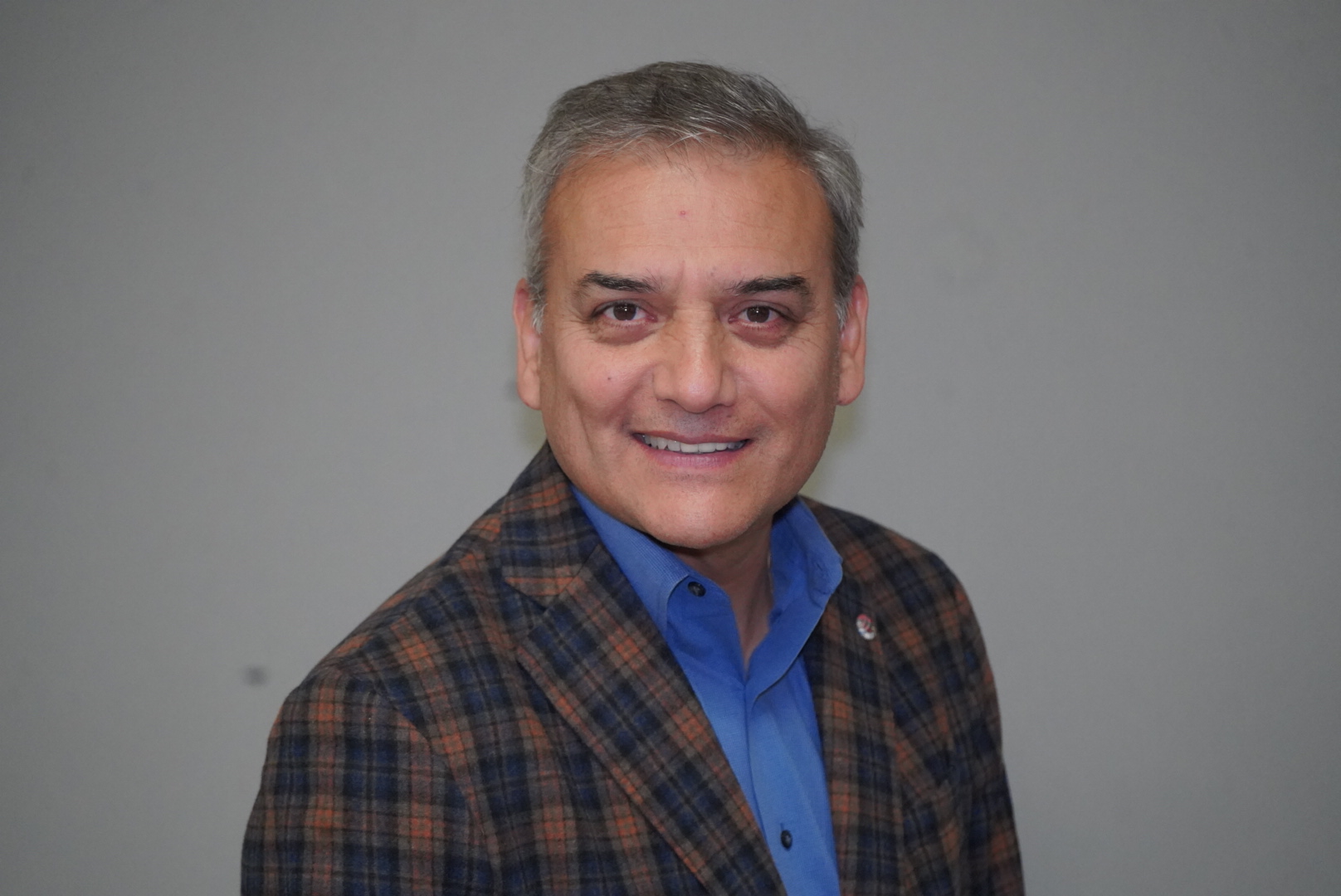
2025 Red Line College Intern Bradley

Bradley brings hands-on construction experience from a previous internship with Whiting-Turner. He is currently part of a stormwater research group and is a member of the American Society of Civil Engineers (ASCE). Bradley is eager to mentor students and believes this program is a powerful opportunity for Morgan State students to give back and inspire youth from the community.


Meet the high school interns!


Edmondson-Westside High School Interns
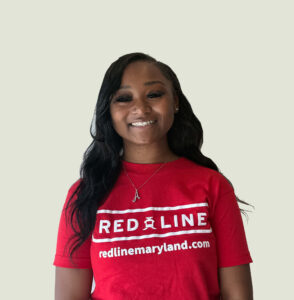
 

2025 Red Line Intern Mya

Amiyah (Mya) loves animals (she has 14 pets!), values family, and hands-on learning. Mya is excited about the internship program because it offers her a chance to learn more about the transportation industry, work in a professional setting and learn how roads, bridges, and public transit systems all work together.
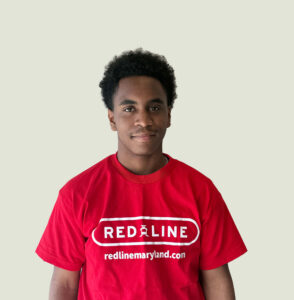
2025 Red Line Intern Eric

Eric enjoys football and drawing and is curious about technology in public transportation. The internship program will help him develop his IT skills in a real-world setting and grow his soft skills like presenting and group collaboration while helping improve transportation in the community.
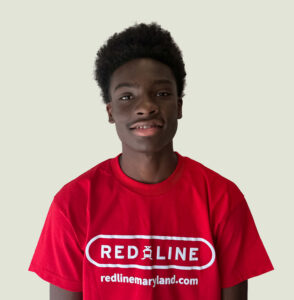
2025 Red Line Intern Nolan

Nolan enjoys running track, playing football, and being outdoors. Nolan is excited about the internship program because it allows him to explore transportation and engineering – to learn how routes are planned, how technology supports efficiency, and how teamwork and communication play a role.


Patterson High School Interns
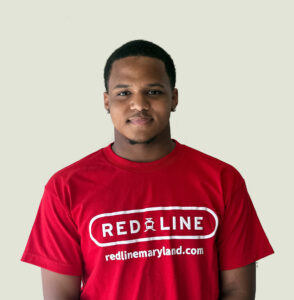
 

2025 Red Line Intern Kenneth

Kenneth has a passion for music and a fascination with how things work. Kenneth is looking forward to exploring the transportation systems he uses every day and learn how trains are designed and even influence their future.
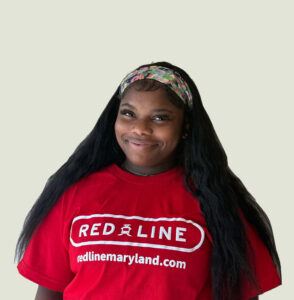
2025 Red Line Intern LaMya

La’Mya enjoys coaching, journaling, and learning about business and finance. La’Mya wanted the chance to contribute to a major transportation project in Baltimore and learn how MTA makes business decisions and manages transportation.


Woodlawn High School Interns
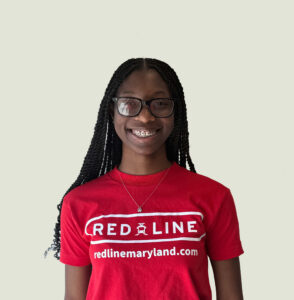
 

2025 Red Line Intern JDa

J’Da is interested in pursuing a career in architecture, enjoys learning and meeting new people. J’Da wanted to participate in the internship program because it is hands-on and will help her build skills for the future. She is especially curious about how the Metro system operates – how it’s powered and how issues are handled.
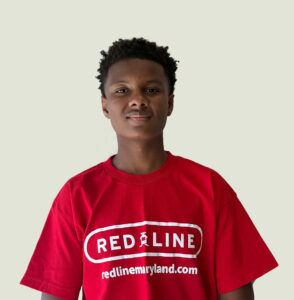
2025 Red Line Intern DeMarcus

De’Marcus is passionate about city planning and transportation. The internship program gives him the opportunity to learn more about public transportation, careers in the industry, and develop planning skills.
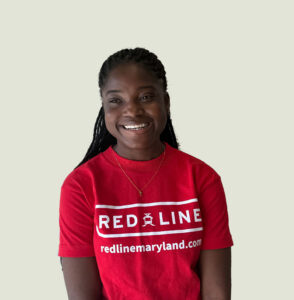
2025 Red Line Intern Sofiat

Sofiat enjoys exploring a wide range of subjects and expanding her knowledge. Sofiat is excited about the internship program as it allows her to explore transportation from multiple perspectives and grow in areas like public speaking, collaboration, and problem-solving.


All 2025 interns went through an extensive recruitment process, and we have enjoyed helping them achieve their goals as they work to gain firsthand experience in transportation planning, transit operations, and community engagement.


To stay connected follow us on social media at YouTube, X, Bluesky, Instagram, and Facebook.

Share via:
FacebookXBlueskyEmail
Blog Search

Other Blog Posts

Glossary of Terms

Alignment
In transit planning this term refers to the specific physical pathway or route that a chosen transit mode will take to connect destinations. It may include travel on the surface, tunnels, or structures (bridge).
Americans with Disabilities Act (ADA)
The Americans with Disabilities Act (ADA) is a federal civil rights law that prohibits discrimination against individuals with disabilities in many areas of public life, including jobs, schools, transportation, and many public and private places that are open to the general public.
Central Maryland Regional Transit Plan (RTP)
The Central Maryland Regional Transit Plan (RTP) is a 25-year plan for improving public transportation in Central Maryland (Anne Arundel County, Baltimore City, Baltimore County, Harford County, and Howard County). The Plan addresses traditional transit (buses and trains) and explores new mobility options and technology.
Community Advisory Team (CAT)
The Community Advisory Team (CAT) is a group of individuals who bring voices and perspectives from the full range of affinity groups and neighborhoods living, working, and investing along the Red Line transit corridor. The CAT is serving as a vital link between the Maryland Transit Administration’s Red Line team's engagement efforts and the diverse communities of the greater Baltimore region.
Community Compact
A collaborative agreement between project stakeholders to ensure the success of the Red Line project by involving community, business, and advocacy group leaders in maximizing community benefits and addressing diverse interests and perspectives.
East-West Regional Transit Corridor Feasibility Study
The East-West Regional Transit Corridor Feasibility Study looked at a corridor serving east to west in Baltimore City and County. It helped identify the potential for high-capacity transit service serving heavily traveled east-west corridors in Baltimore. In particular, the study reinforced the need for enhanced transit in the area now being studied for the Red Line alternatives.
Federal Transit Administration (FTA)
The Federal Transit Administration (FTA) is the part of the U.S. Department of Transportation that provides financial and technical assistance to local public transit systems. The agency supports all types of transit, including buses, subways, light rail, commuter rail, trolleys and ferries. FTA also oversees safety measures and helps develop next-generation technology research.
Light Rail Transit (LRT)
Light rail transit (LRT) is a public transportation system that often uses electric-powered trains to carry passengers in urban areas and is capable of operating in mixed traffic. LRT systems are a modern version of streetcars, but they can carry more passengers, travel faster, and cover longer distances.
Locally Preferred Alternative (LPA)
An alternative (mode and alignment combination) evaluated through the local planning process, adopted as the desired option by the appropriate state and/or local agencies through a public process, and identified as the preferred alternative in the NEPA process.
Maryland Department of Transportation (MDOT)
Maryland Department of Transportation (MDOT) is the overarching agency for state transportation in Maryland. It is led by the Maryland State Secretary for Transportation and includes the Maryland Aviation Administration, the State Highway Administration, the Maryland Port Administration, the Motor Vehicle Administration, and the Maryland Transit Administration.
Maryland Transit Administration (MTA)
The Maryland Transit Administration (MTA) is a state-operated mass transit administration in Maryland, and is part of the Maryland Department of Transportation.
Maryland Area Rail Commuter (MARC) train
The Maryland Area Rail Commuter (MARC) is a commuter rail system in the Washington–Baltimore area. MARC trains are operated by the MTA. The Red Line will have a direct connection to MARC trains at the West Baltimore MARC Station which will be completely rebuilt by Amtrak as part of the Frederick Douglass Tunnel Project with Amtrak.
National Association of City Transportation Officials (NACTO)
The National Association of City Transportation Officials (NACTO) is an association of 100 major North American cities and transit agencies formed to exchange transportation ideas, insights, and practices and cooperatively approach national transportation issues.
National Environmental Policy Act (NEPA)
The National Environmental Policy Act (NEPA) is a federal law that requires federal agencies to consider the environmental impacts of their actions when building or implementing a new project. The goal of NEPA is to lesson or eliminate negative affects of a project.
Park-and-Ride
A park-and-ride is a parking lot where transit users can leave their car and get on a bus or train to transport them to their destination.
Record of Decision (ROD)
A Record of Decision (ROD) is a formal document that summarizes the findings of an Environmental Impact Statement (EIS). A ROD is the basis for a federal agency's decision on a project.
Red Line
The Red Line is the name given to this project. It will be a high-frequency, high-capacity Light Rail line for the Baltimore Region, and it will be an investment in residents’ access to jobs, education, services, and opportunities.
Red Line Operations and Maintenance (O&M) Facility
The Red Line operations and maintenance (O&M) facility will be a central location where trains can be regularly maintained and kept in good condition to run transit service. The facility may also include a storage yard for the trains to "live" in when they are not being used.
Regional Rail Plan
The Regional Rail Plan from 2002 outlines proposed future rail lines for the Baltimore Region. This plan is where the Red Line first appeared on a map and became the basis for the project under development today.
Supplemental Environmental Impact Statement (SEIS)
A Supplemental Environmental Impact Statement (SEIS) is a document that updates or enhances an existing Environmental Impact Statement (EIS). A SEIS is prepared when new information, circumstances, or changes to a project would result in significant environmental impacts that were not considered in the original EIS.
Transit Signal Priority (TSP)
Transit Signal Priority (TSP) is a technology that adjusts traffic signal timing to make it easier for transit vehicles to pass through intersections faster by either extending green lights longer or shortening a red light when a transit vehicle is present.
Tunnel Boring Machine (TBM)
A tunnel boring machine (TBM) is a large mechanical "mole" that is able to dig tunnels deep underground with little to no disruption on the surface except for where the machine enters the ground.
West Baltimore MARC Transit Oriented Development Study (MARC TOD)
The West Baltimore MARC Transit Oriented Development Study (MARC TOD) looks at the potential for future development around the West Baltimore MARC Station. The station will be rebuilt as part of Amtrak's Frederick Douglass Tunnel Project to be fully accessible with elevators and indoor waiting areas. This station will be a key connection hub for local MTA buses, the Red Line, and MARC train service. The area around the station is ideal for development of new housing, retail, and other community-oriented uses that can help maximize the investment in transit.